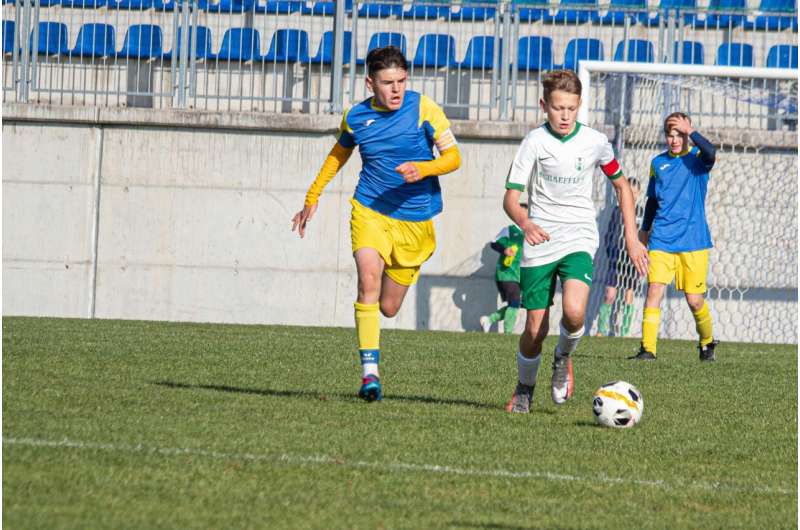
New research suggests non-professional athletes who have suffered a sport-related concussion are at lower risk of cognitive issues.
Getting the balance right
While at first glance you may feel puzzled by these results, a brief consideration of some modern realities makes them seem sensible.
Rates of obesity in Australia have been steadily climbing over the past few decades and as of 2022, 31.1% of Australians are obese and 33.7% are overweight.
Similarly, rates of diabetes and high blood pressure are at historic highs.
Many Australians are physically inactive, with teenagers and young adults clocking up an average of 6.6–7.5 hours of screen-based activity a day and reporting concerningly high levels of isolation and loneliness.
While many sports come with risks of head injuries, the beneficial effects on physical activity, obesity, diabetes, hypertension, and social connectedness likely more than mitigate the damaging cognitive effects of a head injury.
The obvious reply to this is we should encourage “safer” physical activity options and do everything we can to protect those in contact sports from injuries.
This is a sensible point of view but requires a few qualifications.
The first is, sports that are more physically demanding (and therefore possibly deliver greater benefits from physical activity) often have greater contact and risk of concussion (for example, golf has fewer concussions than Australian football).
Secondly, even “lower-risk” sports such as cycling or soccer carry a risk of head injury—I have personally been concussed while cycling, although I don’t remember it all that well.